
How to Choose Roofing Screws for Metal Roofs and Cladding
Five checks for choosing roofing screws (drill point, length, washer, coating and driving) to avoid leaks and failures.
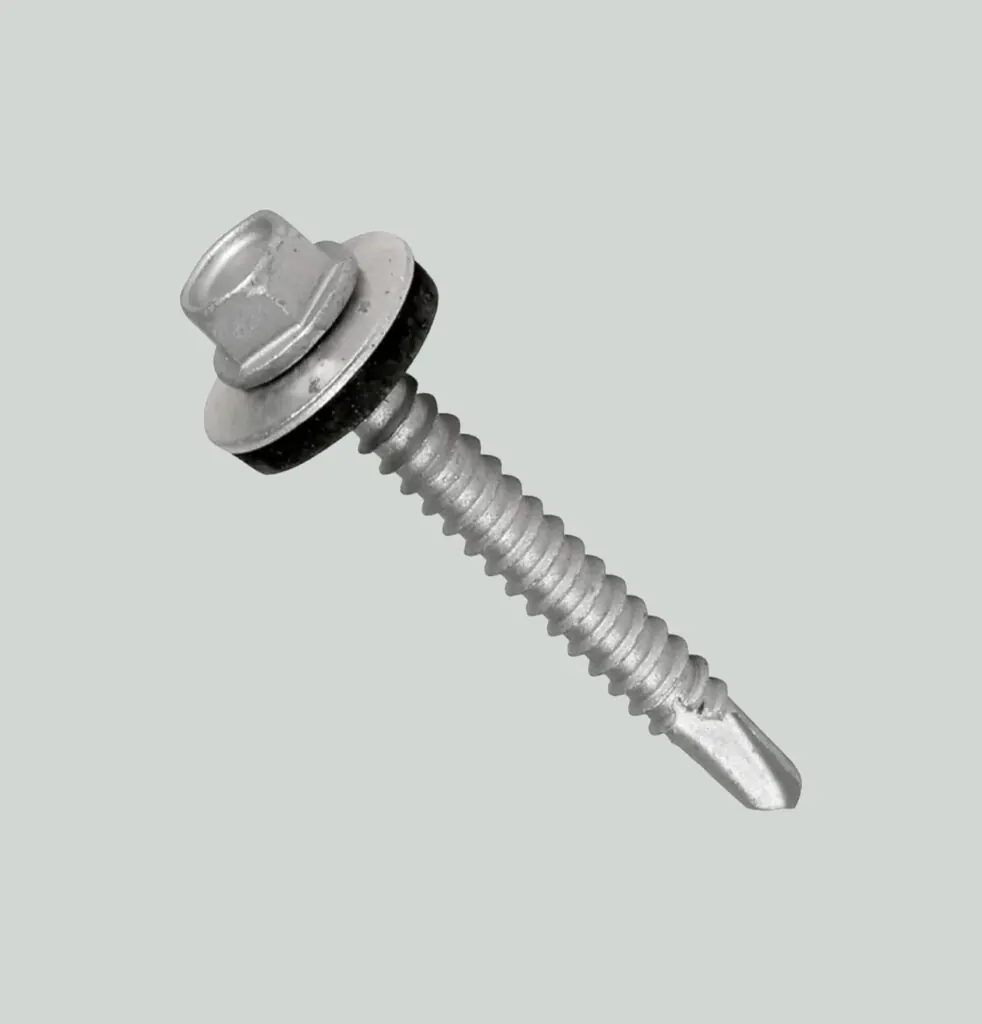
Roof leaks very often start at the fixings, not the sheets. A roofing screw has three jobs: hold the sheet down in strong wind, seal the hole it makes, and survive the weather for years. Use these five checks before ordering.
1. Drill point vs steel thickness
Self-drilling roofing screws drill straight into steel purlins and girts. The drill point must match the thickness of the steel you are fixing into. A point that is too small will overheat and fail before it gets through.
2. Length
The screw must pass through the sheet (and through the profile height if fixing through the crest), then go far enough into the purlin for the thread to hold. Follow the roof sheet manufacturer's fixing guide for where to fix and how many fixings to use.
3. Sealing washer
A bonded sealing washer under the hex washer head seals the hole against rain. Check that the washer is bonded to its metal backing and sized for the head.
4. Coating
Roof screws face sun, heat, rain and, near the coast, salt air. Choose a coating with tested corrosion resistance. See salt spray testing explained.
5. Driving correctly
- Drive the screw straight, at 90° to the sheet.
- Tighten until the washer is snug and just starting to compress. Do not crush it.
- An over-tightened washer splits; an under-tightened one leaks.
- Use a screw gun with a depth setting rather than an impact driver at full power.
HIFIX Roof HX is a self-drilling roofing and cladding screw with a hex washer head and bonded sealing washer, made in Dubai. Send your sheet profile and purlin thickness and the Hifix team will confirm the right size.
Frequently asked questions
What causes roof screws to leak?
The most common causes are over-tightening or under-tightening the sealing washer, driving the screw at an angle, and using the wrong length or drill point.
Do roofing screws need a washer?
Yes. A bonded sealing washer under the head is what seals the hole against rain.
How tight should roofing screws be?
Tighten until the washer is snug and just starting to compress, without squashing it out from under the head.
Need help choosing a screw?
Tell us what you are fixing and what you are fixing it to. The Hifix team will recommend the right screw and send a quote.